
← All case studies

Case study 2 · Breaking the leadership bottleneck

Plan well. Lead through uncertainty.

Critical-infrastructure design and delivery

  • Minimising delivery risk
  • Building resilience
  • Coaching leaders for growth
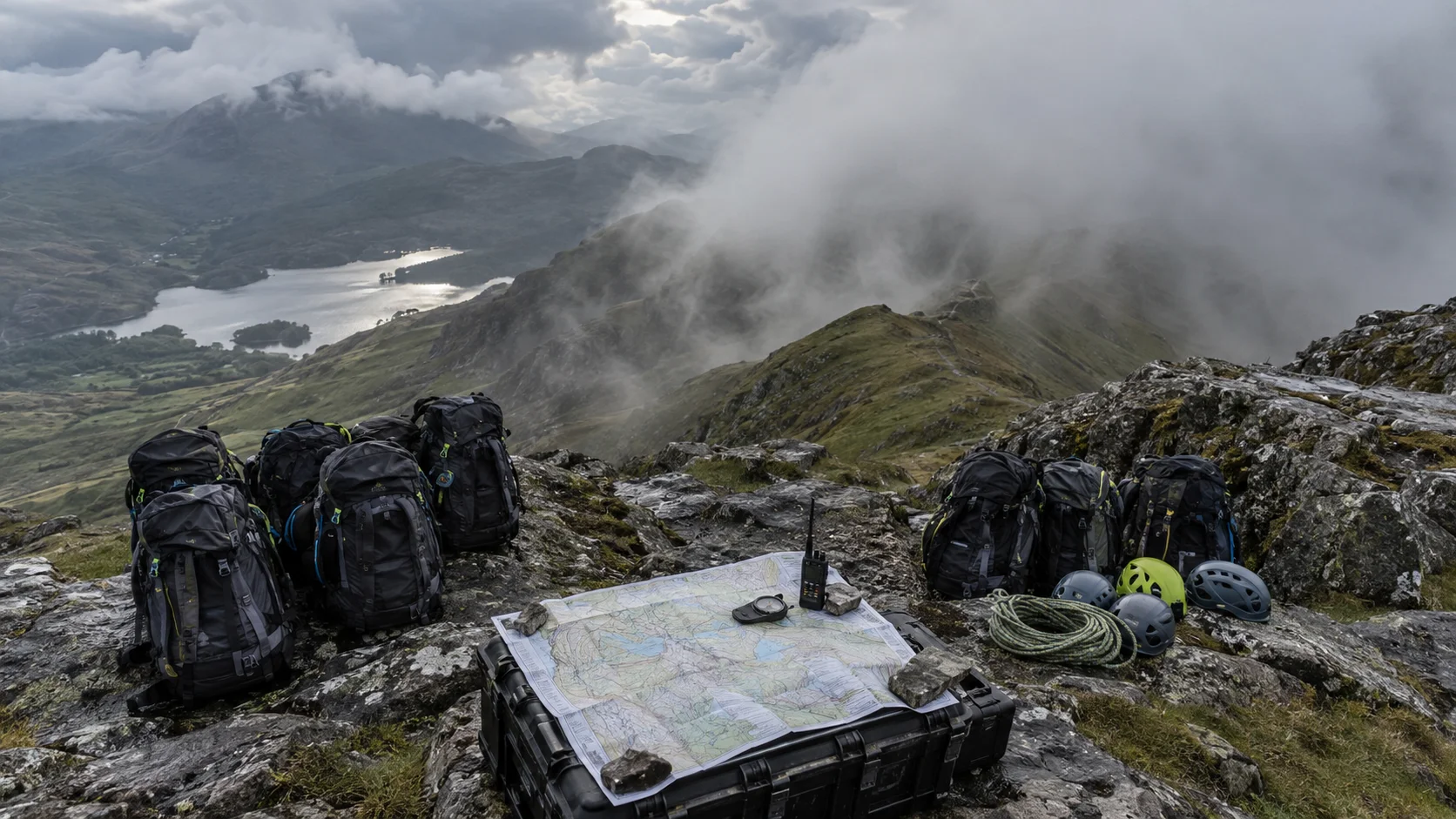
Photographic concept of a team navigation station and expedition equipment in uncertain mountain weather
Photographic concept · Teams facing uncertainty.

The engagement at a glance

Before & after.

Reported results

Reported results

Team assessment

BeforeAfter
  • Communication

    Before
    After
  • Relationships

    Before
    After
  • Alignment

    Before
    After
  • Execution

    Before
    After
  • Capacity

    Before
    After

The bars compare team-assessment scores before and after the engagement. What do the five measures mean?

Before The starting point

A few senior leaders carried the reassurance and risk.

A successful end-to-end delivery company depended on a few highly capable senior leaders to anticipate problems and control risk. Growing demand and diversification required another level of management to step forward. Emerging leaders were used to extensive support and reassurance; senior leaders needed confidence that they could let others lead through uncertainty.

After Reported after

A shared way to plan, decide and coach.

All five reported team-assessment measures increased. Alignment and execution both reached 92%, and relationships rose from 43% to 89%. The work focused on developing leaders who could plan, adapt and take ownership, with senior leaders coaching them as they did so.

Changes in practice

The starting need and the changes reported.

  • Leadership
    Before

    Emerging leaders relied on senior leaders to remain the go-to point.

    Reported after

    Leaders practised taking responsibility while senior colleagues supported them without taking control.

  • Practice
    Before

    Growth required confidence in handling unfamiliar situations.

    Reported after

    Daily feedback, decision tools and a continuing leadership and mentoring programme.

01

What we did

Inspired brought British Army coaches and experienced leadership coaches together for a Lake District bootcamp. Changing conditions made preparation, judgement and ownership visible. A company leadership programme and a simple mentoring framework carried the learning back into work.

  1. Practise beyond the predictable

    Leaders received each day's brief that morning. They practised planning well enough to adapt when conditions changed, with coaches observing how they assessed the situation, worked together and made decisions.

  2. Let emerging leaders lead

    Senior leaders became members of the emerging leaders' teams. This gave both groups practice: taking ownership, offering support and allowing someone else to lead without taking control.

  3. Review the behaviour each day

    Live 360-degree reviews with Army and leadership coaches examined the choices people made, how the team experienced them and what to try differently the next day.

  4. Use OODA and Mission Mindset

    Observe what is happening; orient to the wider situation and intent; decide on a proportionate next step; act and review. A seven-question Mission Mindset planning format helped leaders anticipate problems and reduce dependence on reassurance, while keeping clear routes for advice and escalation.

  5. Carry it into the company

    A leadership programme supported emerging leaders. Senior leaders used a repeatable 45-minute mentoring framework to coach judgement and responsibility in everyday work.

Applying this to your team

Start by agreeing the behaviour you want to change, the situations in which it matters and how you will review progress. We can use examples from your current work to shape the engagement and establish a useful starting point.

Discuss a similar challenge